Notes on choosing and wearing pearls
Explore lustre and colour, understand pearl product details and discover inspiration for wearing pearls. Start with one specific question and fall in love with pearls along the way, with Hazelnut Select Studio.
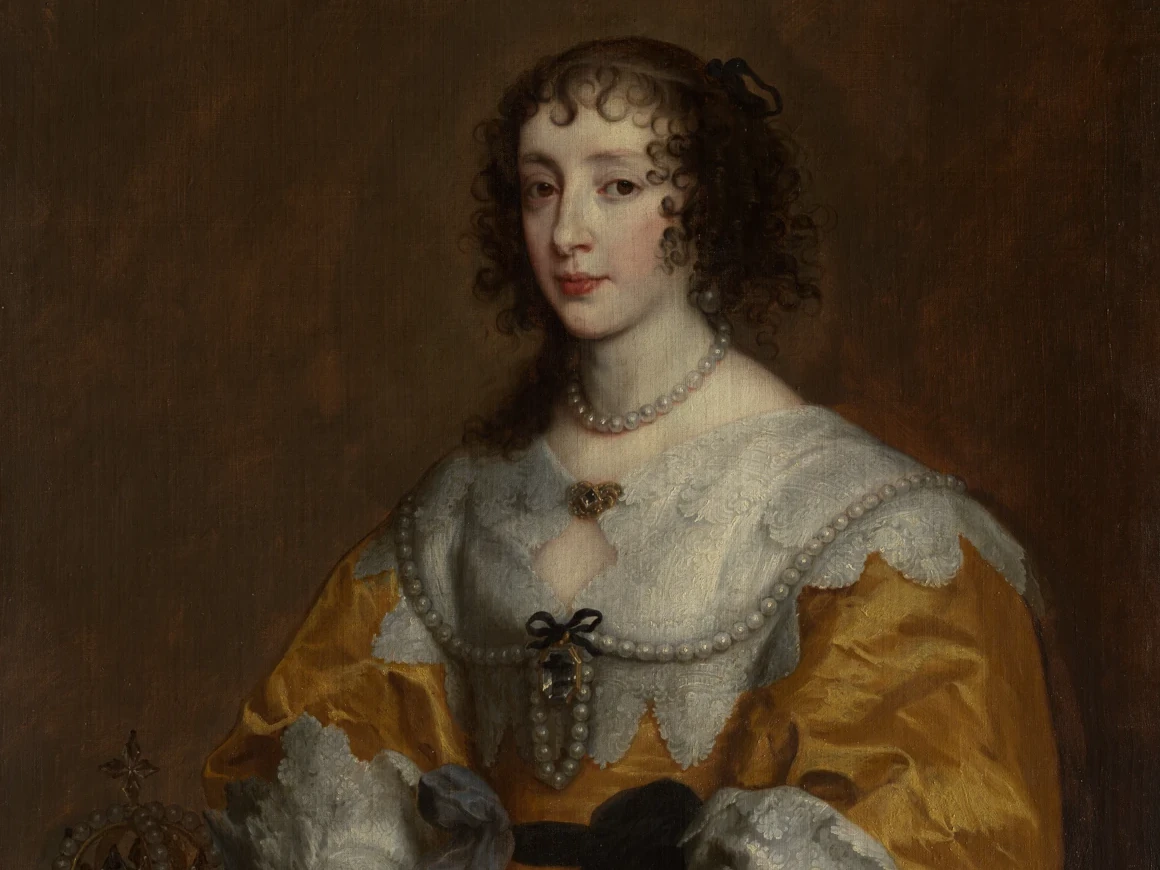
Royal Pearls on the Move: Gifts, Detachable Drops and a Change of Dress
A painted gift, detachable pendants and two very different necklace lengths: royal pearls through the objects and people who wore them.
The Metropolitan Museum of Art, Bequest of Mrs. Charles Wrightsman in honor of Annette de la Renta, 2019; 2019.141.10. Public Domain. Cropped card detail. Public Domain / Met Open Access
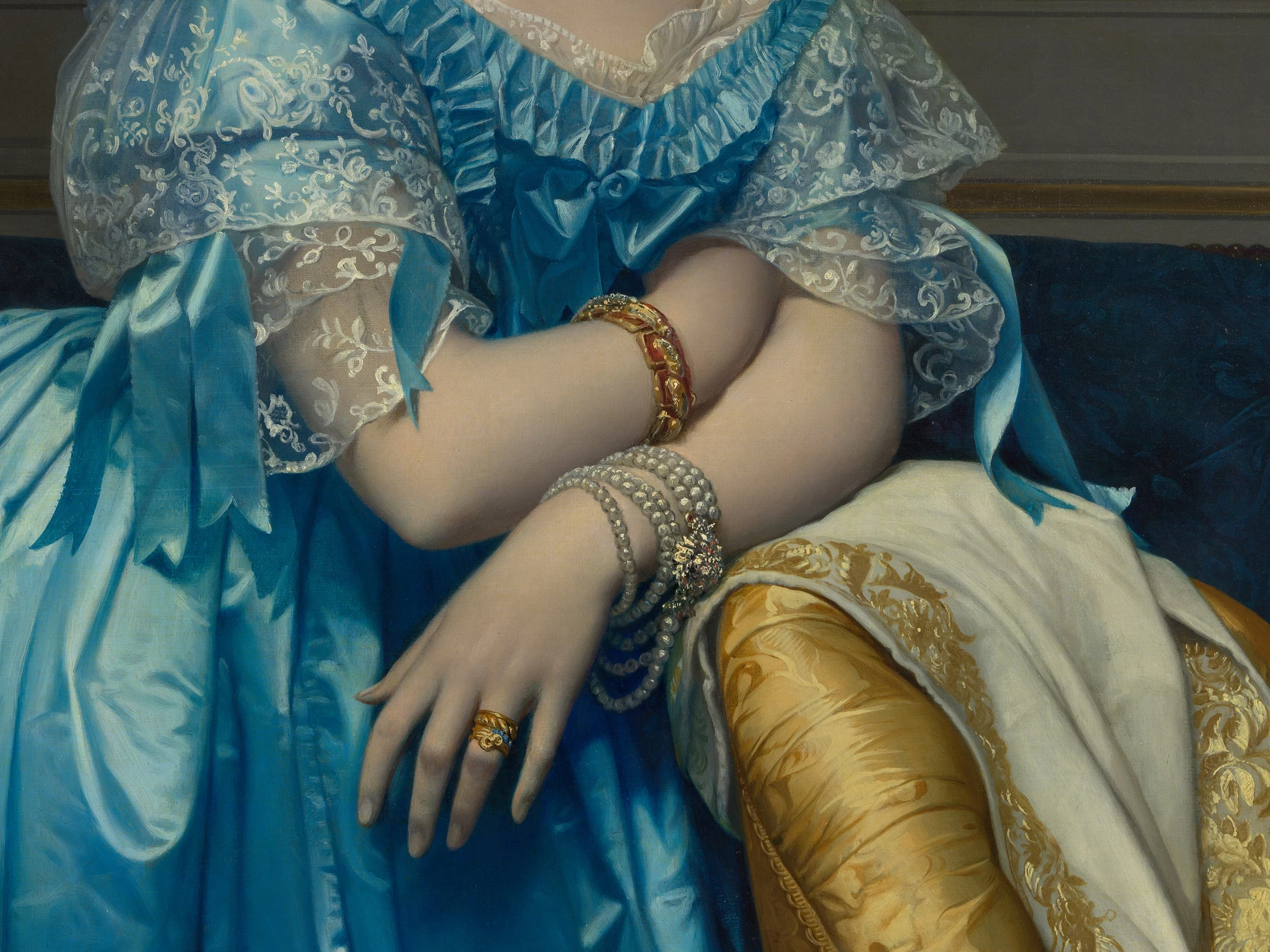
A Painter’s Eye for Everyday Pearls
A bare patch beside an ear, a rolled navy cuff, a necklace against a white tank: four portraits and some very current outfits make the small decisions easier to see.
Jean Auguste Dominique Ingres, Princesse de Broglie, 1851–53. The Metropolitan Museum of Art, Robert Lehman Collection, 1975. Public Domain / CC0. Selected detail crop; resized and WebP-compressed. Public Domain / CC0
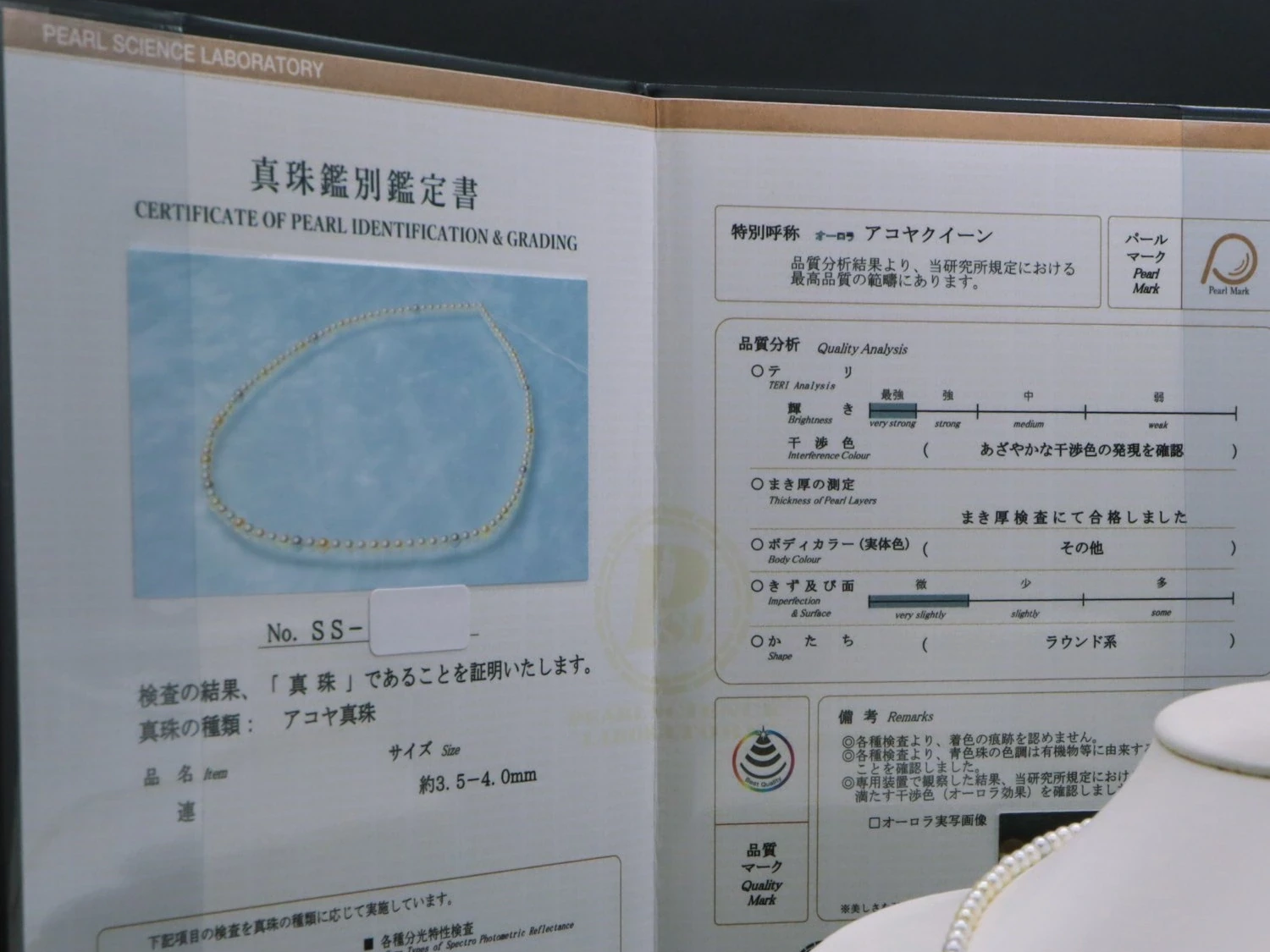
How to Read a Pearl Certificate Without Asking It to Prove Too Much
Read a real SS/Aurora Akoya Queen report, distinguish seven current PSL forms, and separate laboratory findings from assumptions about origin and stock.
Hazelnut Select Studio; Pearl Science Laboratory report. Cropped card detail; original privacy masks retained.
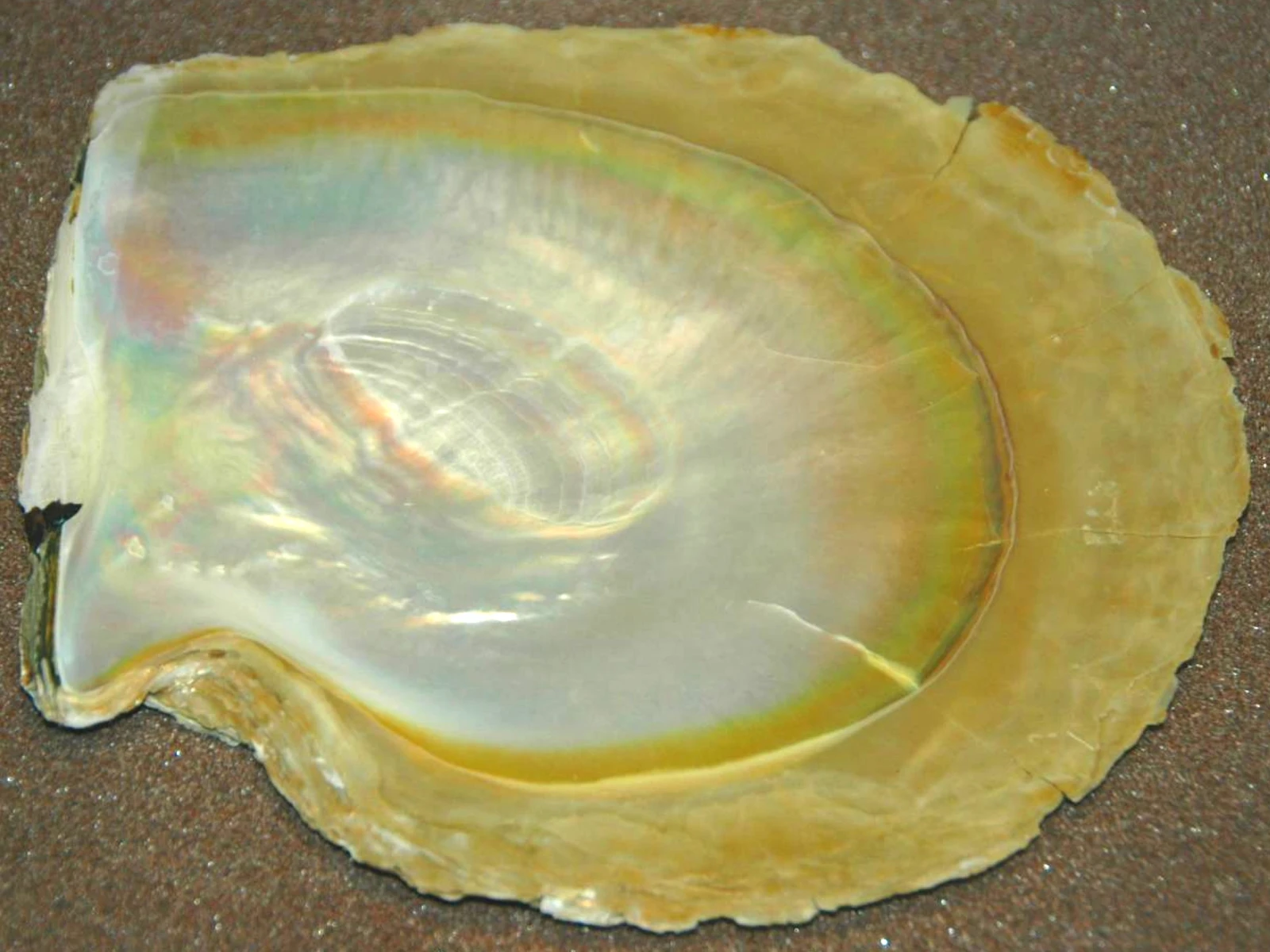
Saltwater vs. Freshwater Pearls: A Difference in Habitat, Not a Quality Ranking
Separate habitat, cultivation and internal structure—then compare the actual pearls, not a presumed ranking.
James St. John, Pinctada maxima (gold-lipped pearl oyster), Field Museum, Chicago, via Flickr / Wikimedia Commons. CC BY 2.0; resized, uncropped. Not Hazelnut inventory. CC BY 2.0
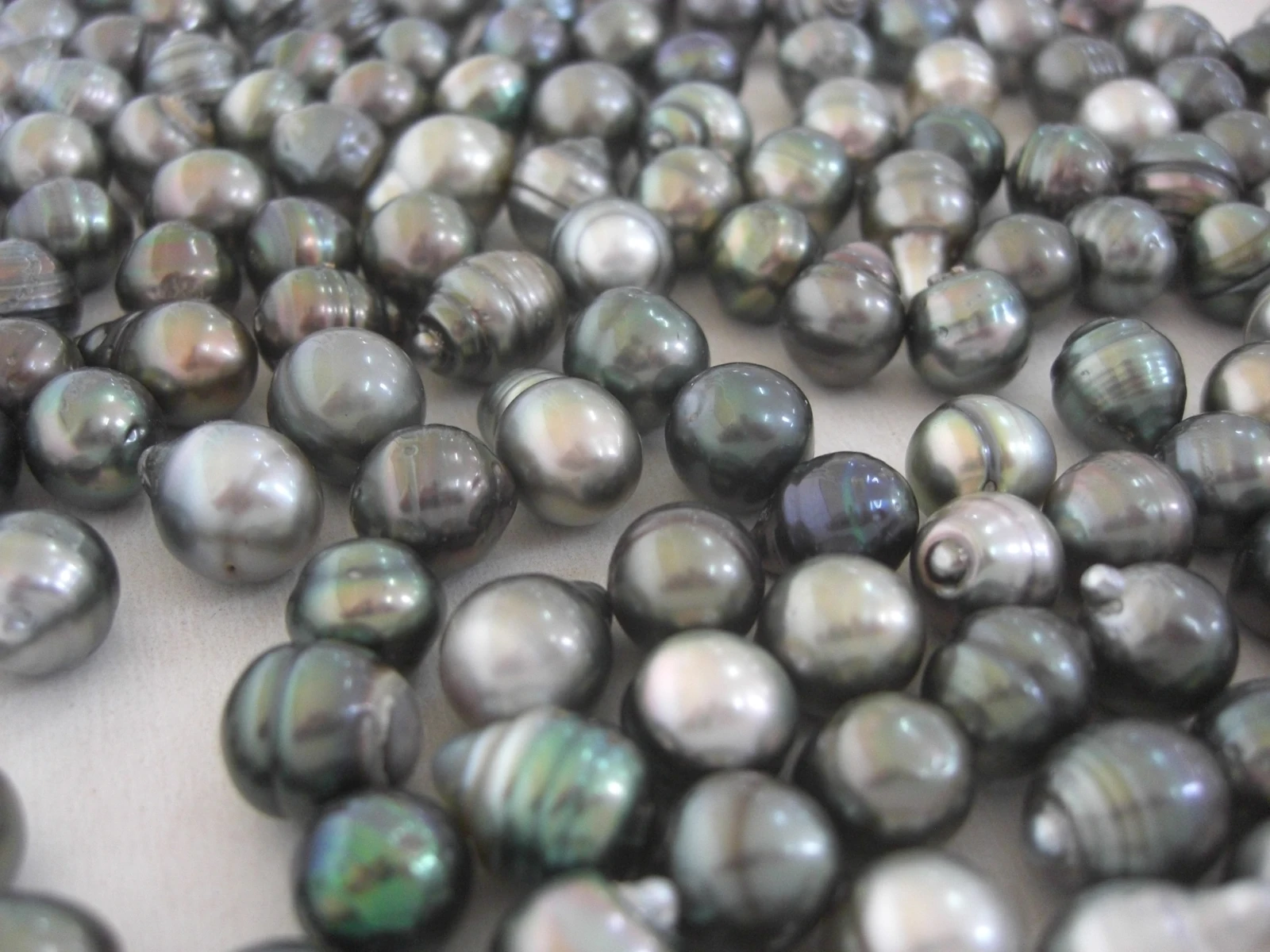
Bead or No Bead? How Saltwater Cultured Pearls Actually Grow
A pearl-sac explanation of bead and non-bead saltwater culture, with real laboratory cases and limits of visual identification.
Archive pearl-farm photograph; not Hazelnut inventory. Appearance does not establish bead status or colour treatment. Olivier Bruchez, Rangiroa (pearl farm), 7 June 2012. CC BY-SA 2.0. Resized and converted to WebP. CC BY-SA 2.0
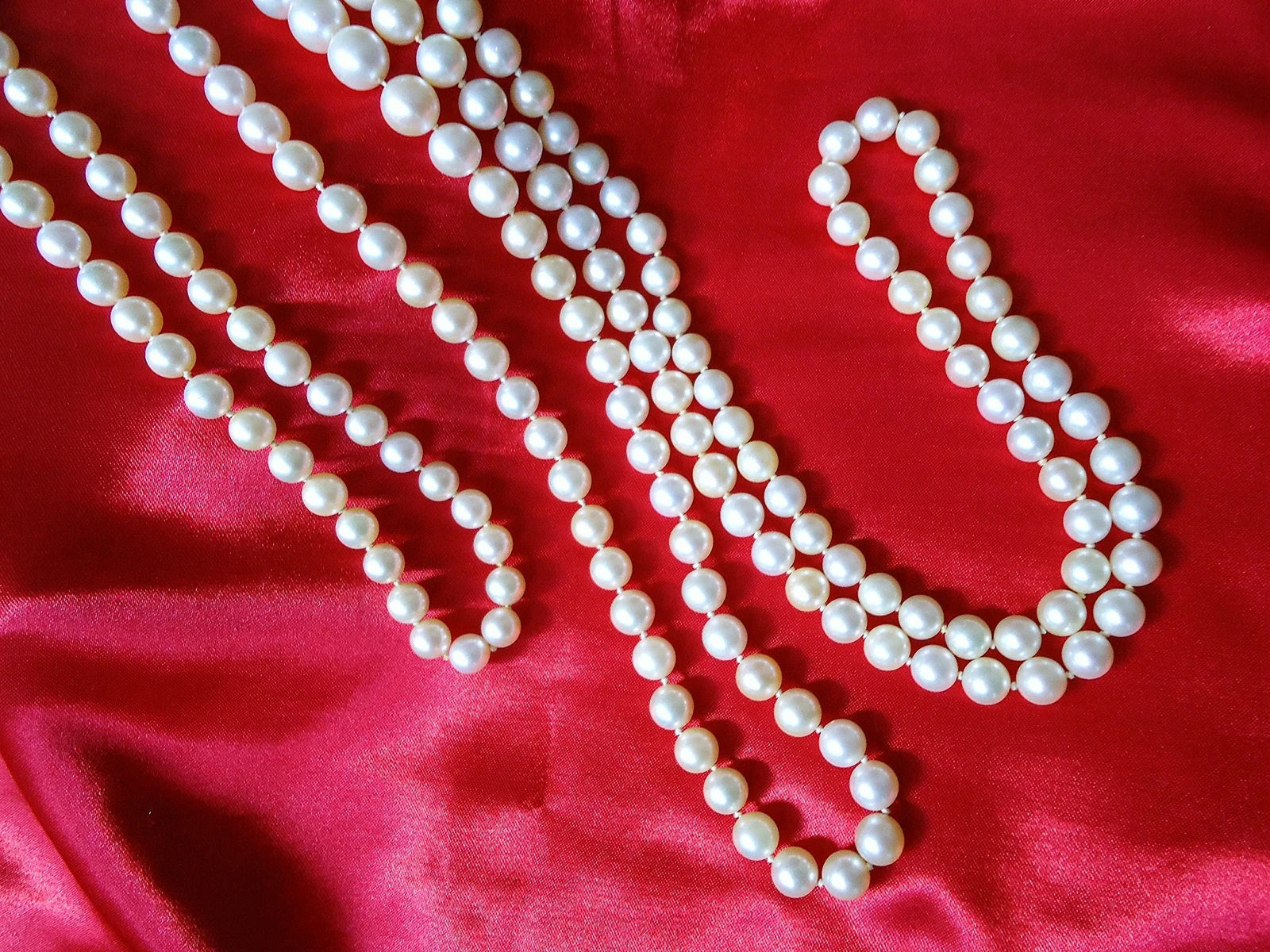
Akoya, South Sea and Tahitian Pearls: Three Families, More Than Three Looks
Meet three saltwater pearl families through their hosts, colour, growth and documented research surprises—not a quality ladder.
Mauro Cateb, “Akoya pearls” / Flickr. 4:3 crop, WebP; derivative retains CC BY-SA 2.0. CC BY-SA 2.0
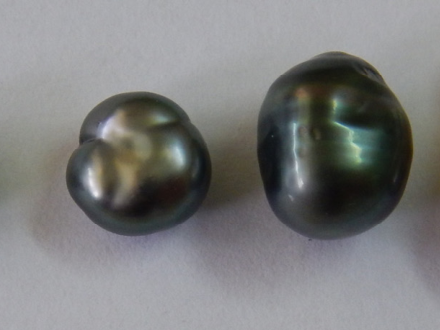
Keshi Pearls: The Irregular Beauty—and the Limits of the Name
Here, Keshi refers to marine non-bead cultured pearls. It is not synonymous with natural pearl or baroque shape, and it does not guarantee a uniformly nacreous interior. The host context, individual appearance and strength of identification evidence still matter.
Published research specimens, not Hazelnut inventory. Photograph does not establish internal structure or grade. © 2015 Simon-Colin et al., Marine Drugs, Figure 6. Cropped two-specimen detail; CC BY 4.0. CC BY 4.0
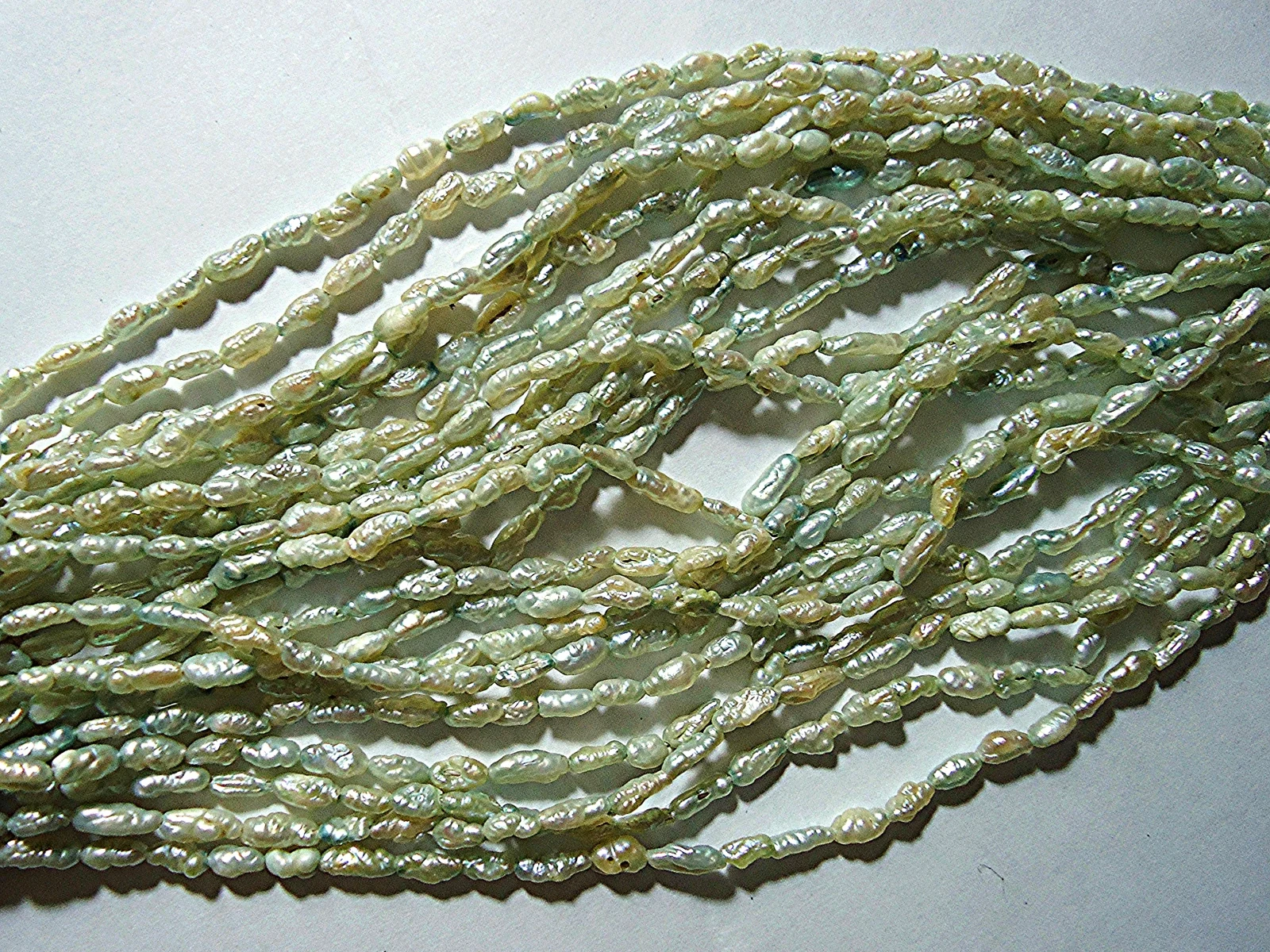
Freshwater Pearl Types: Four Different Stories Hidden in the Names
Freshwater cultured pearls include non-bead and bead-cultured routes. Names such as Edison, Biwa, coin and soufflé do not all classify the same thing: they can concern commercial usage, place, shape or technique. Read those layers separately; a trade name does not establish internal structure, colour origin or a universal grade.
Identified as freshwater pearls by the photographer; not Hazelnut inventory. No bead status, growing location or colour-treatment conclusion is supplied. Mauro Cateb, Greenish freshwater pearls, 2013. Cropped card detail; derivative retains CC BY-SA 2.0. CC BY-SA 2.0

Thatcher, Harris and Michelle Obama: Pearls in Public
A family gift, sorority colours, trainers and two black dresses: the stories and practical proportions behind three familiar pearl-wearing public figures.
Lawrence Jackson / White House; public domain. Cropped card detail. Public domain — U.S. federal government work
Water or Metal? The Stories People Give a Pearl
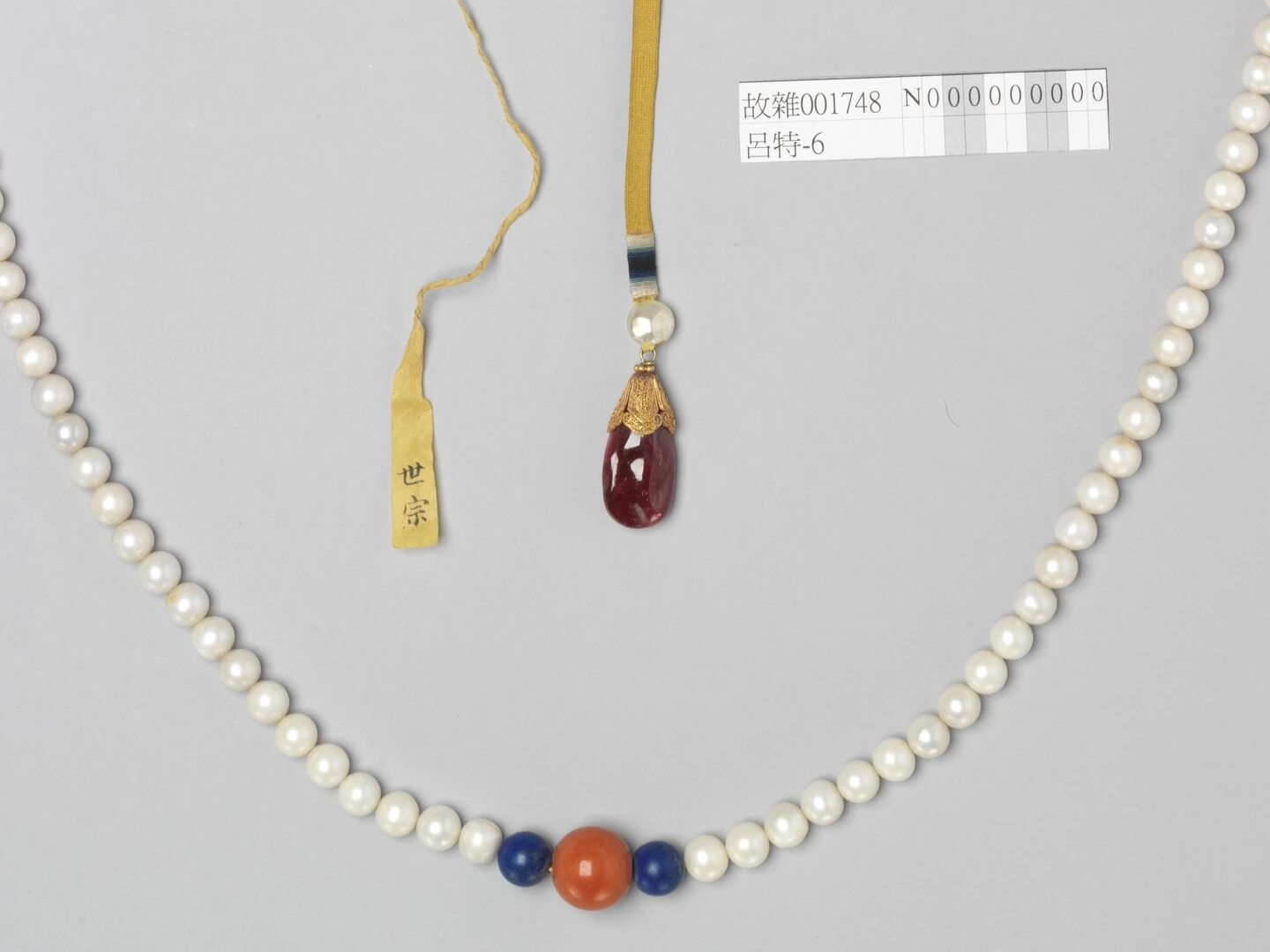
A saved wedding veil, two ways to explain a pearl, and a small imperial label: following the people behind the meanings.
National Palace Museum, Taipei. CC BY 4.0 @ www.npm.gov.tw. Cropped card detail. CC BY 4.0